
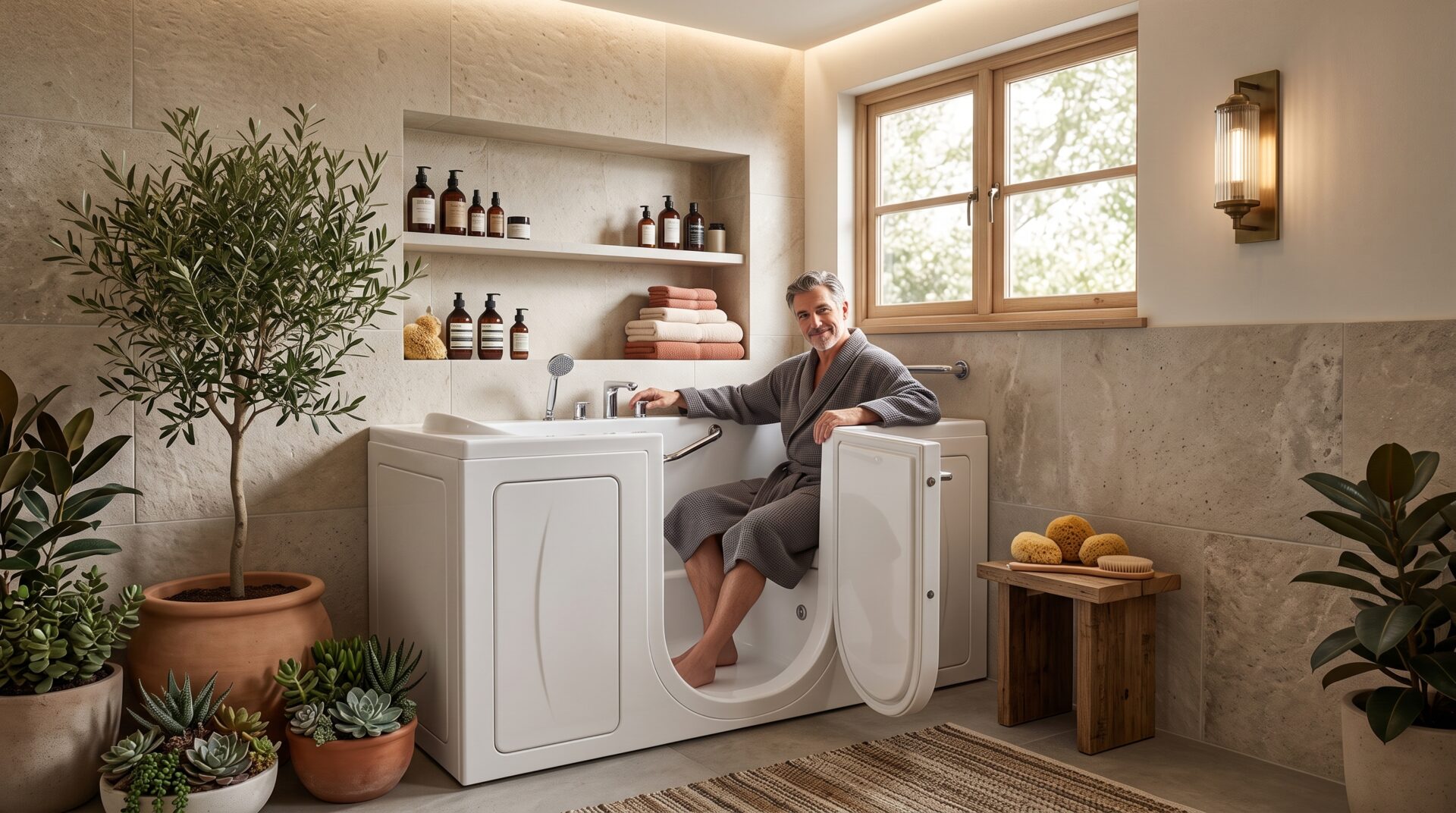
Creating a bathroom that is safe, comfortable, and easy to use for everyone, regardless of age or mobility, is not just a luxury—it’s a necessity. Accessible Bathroom Design focuses on thoughtful modifications that enhance independence and prevent accidents. From simple adjustments to major renovations, these upgrades can transform a challenging space into a sanctuary of safety and convenience.
Roll-In Showers: Barrier-Free Bathing
One of the most impactful upgrades in accessible bathroom design is the installation of a roll-in shower. These showers eliminate the traditional curb or step, allowing for seamless entry and exit—especially for individuals using wheelchairs or walkers. This barrier-free approach significantly reduces the risk of trips and falls, making bathing a much safer experience. Roll-in showers can also be equipped with built-in benches and adjustable showerheads for added comfort and functionality.
Beyond safety, roll-in showers offer a sleek, modern aesthetic that enhances the overall look and feel of your bathroom. Their open design creates a more spacious and inviting environment, contributing to a sense of calm and independence. For more ideas on improving bathroom safety, read our post on Essential Bathroom Safety Upgrades.
Strategic Grab Bars and Handrails
Grab bars and handrails are fundamental components of any accessible bathroom. When strategically placed near the toilet, in the shower, and by the bathtub, they provide crucial support for balance and stability. These fixtures benefit everyone—not just those with mobility challenges—especially on wet and slippery surfaces. The CDC provides valuable resources on fall prevention, highlighting the importance of such modifications.
Modern grab bars come in a variety of styles and finishes, allowing them to blend seamlessly with your existing décor. Choosing the right type and ensuring professional installation is key to maximizing their effectiveness and safety.
Comfort-Height Toilets: Ease and Independence
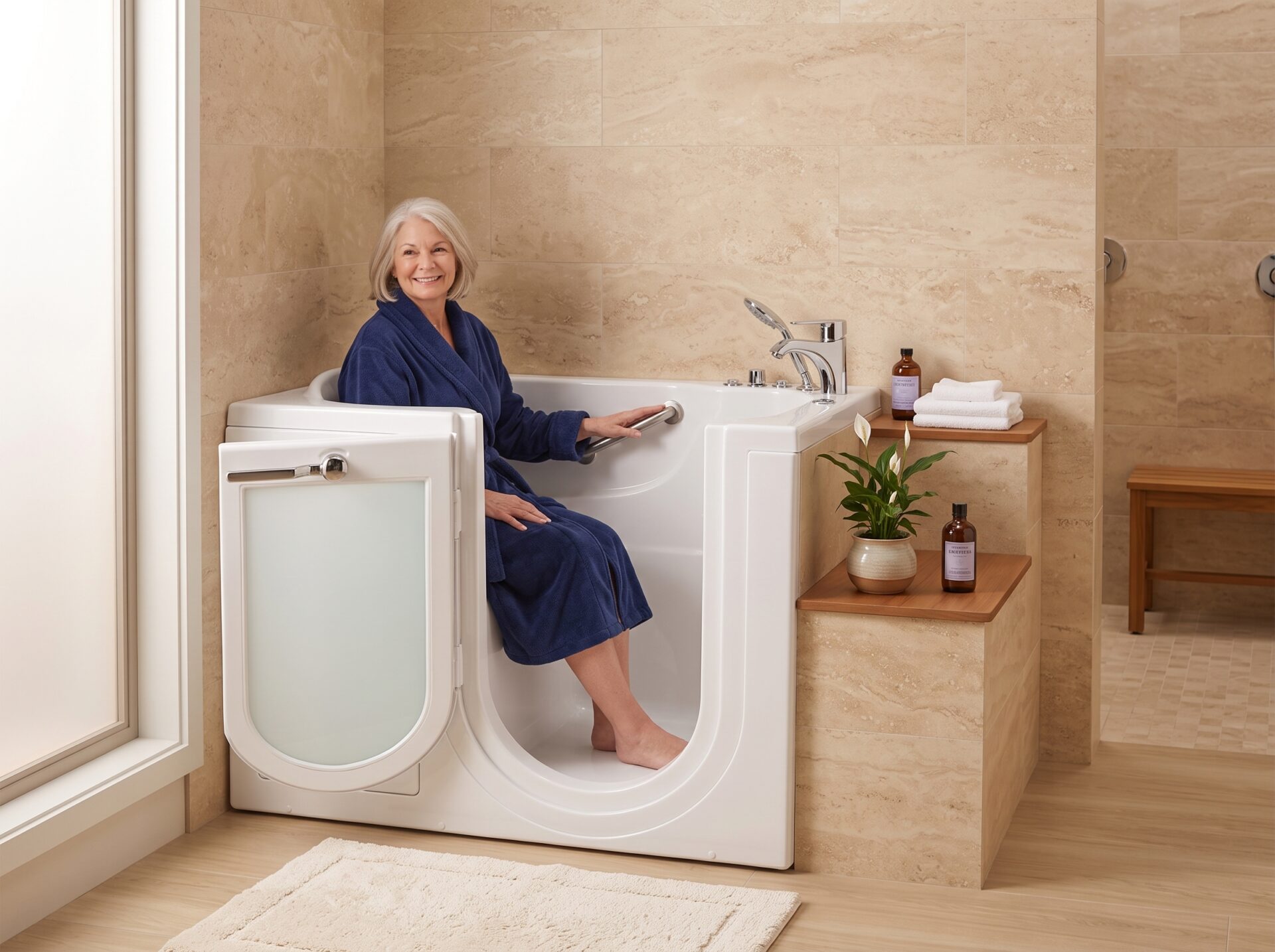
Traditional toilets can be challenging for individuals with joint pain or limited mobility. Comfort-height toilets—a few inches taller than standard models—make sitting down and standing up significantly easier. This straightforward upgrade reduces strain on knees and hips and improves day-to-day independence in the bathroom.
Paired with well-placed grab bars, a comfort-height toilet becomes an integral part of a truly accessible bathroom. It’s a small change that makes a big difference in daily life.
Non-Slip Flooring: A Foundation of Safety
Wet bathroom floors are a leading cause of falls. Installing non-slip flooring is a critical step in creating a safe and accessible bathroom. Options like textured tiles, vinyl, or rubber flooring provide excellent traction even when wet, minimizing the risk of slips and falls. The National Institute on Aging offers further guidance on preventing falls in the home.
When selecting flooring, consider both safety and aesthetics. Many non-slip options are available in stylish designs that complement any bathroom décor, ensuring your accessible bathroom is both functional and beautiful.
Wider Doorways: Unrestricted Movement
For individuals using wheelchairs or walkers, standard doorways can be a significant obstacle. Widening doorways to at least 32–36 inches allows for unobstructed passage, promoting independence and ease of movement throughout the home. This upgrade is often incorporated during a comprehensive accessible bathroom remodel.
While it may seem like a larger project, widening doorways is a crucial long-term investment in accessibility, ensuring your bathroom remains functional as needs evolve. If you’re considering a smaller renovation, check out our article on 7 Smart Small Bathroom Remodel Ideas.
Lever Handles and Touchless Faucets: Effortless Control
Traditional doorknobs and faucet handles can be difficult to grip and turn for individuals with arthritis or limited hand dexterity. Replacing them with lever handles and touchless faucets offers effortless control. Lever handles require only a gentle push or pull, while touchless faucets activate with a simple wave of the hand—eliminating the need for gripping entirely.
These small but significant changes enhance convenience and independence, making everyday bathroom tasks simpler and more enjoyable.
Lighting and Contrast: Enhancing Visibility
Good lighting and appropriate color contrast are essential for safety in an accessible bathroom. Bright, evenly distributed lighting reduces shadows and improves visibility, helping to prevent missteps. Contrasting colors for floors, walls, and fixtures also help individuals with visual impairments better distinguish different surfaces and objects.
Consider installing motion-sensor lighting for hands-free illumination, especially during nighttime visits. Thoughtful lighting design contributes significantly to a safer and more user-friendly bathroom environment.
Why Accessible Bathroom Design Matters in Columbus, Ohio
In Columbus, Ohio, the demand for homes that support aging in place and accommodate diverse mobility needs is growing. Investing in Accessible Bathroom Design not only enhances the safety and comfort of your current living situation but also adds meaningful value to your home. Alpha Baths specializes in creating beautiful, functional, and accessible bathrooms tailored to the unique needs of Columbus residents. We understand local building codes and design preferences, ensuring your renovation is both compliant and aesthetically pleasing. Our expert team is dedicated to providing solutions that promote independence and peace of mind for years to come. Contact us today for a free consultation and discover how we can transform your bathroom into a truly accessible space.
Frequently Asked Questions
What are the key principles of Accessible Bathroom Design?
Key principles include creating barrier-free entry, providing ample maneuvering space, installing supportive grab bars, using non-slip surfaces, and ensuring easy-to-operate fixtures. The goal is to maximize safety, independence, and comfort for all users.
Can I make my existing bathroom accessible?
Yes, many existing bathrooms can be made more accessible with targeted upgrades. Options range from minor adjustments like installing grab bars and comfort-height toilets to more extensive renovations such as converting to a roll-in shower or widening doorways. A professional assessment can determine the best approach for your specific bathroom.
What is the average cost of Accessible Bathroom Design?
The cost of accessible bathroom design varies widely depending on the scope of the project, the materials chosen, and the extent of structural changes required. Minor upgrades can be relatively affordable, while a full renovation with structural modifications represents a more significant investment. Getting a personalized quote is the best way to plan your budget accurately.
Are there grants available for Accessible Bathroom Design?
Yes, various federal, state, and local programs—as well as non-profit organizations—offer grants or financial assistance for home modifications that improve accessibility. Eligibility requirements vary, so it’s recommended to research options specific to Columbus, Ohio, and your individual circumstances.
How long does an Accessible Bathroom Design project take?
Project duration depends on complexity. Minor upgrades can often be completed in a day or two, while comprehensive renovations involving plumbing, electrical work, and structural changes may take several weeks. Alpha Baths provides clear timelines during the planning phase so you always know what to expect.