
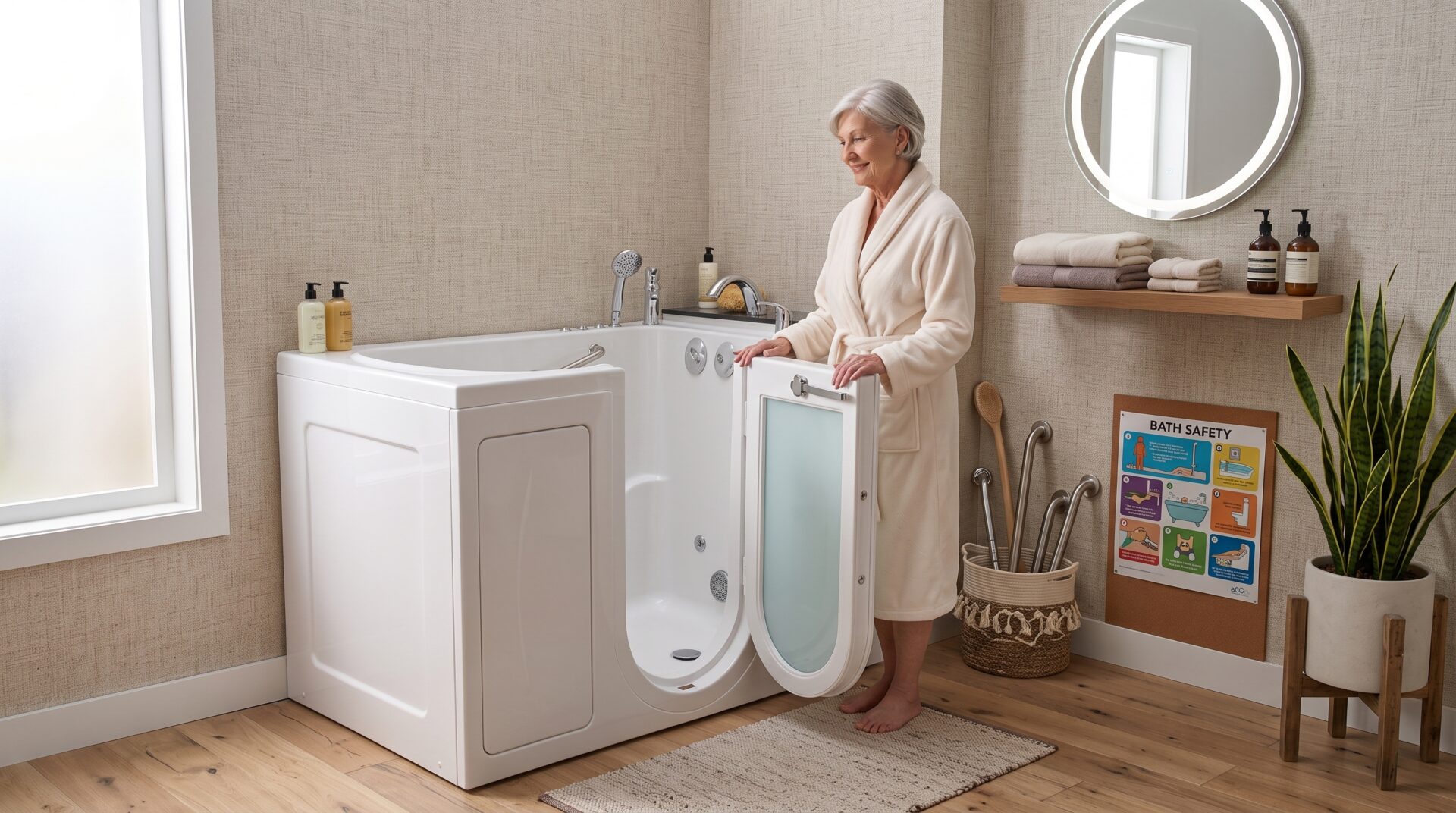
The bathroom, while a place of personal hygiene, is also one of the most common sites for falls at home, especially for seniors and individuals with mobility challenges. Implementing effective Fall Prevention in Bathrooms strategies is crucial for creating a safe and independent living environment. In Columbus, OH, Alpha Baths is dedicated to helping residents identify and address potential hazards, offering solutions that enhance safety and peace of mind.
Falls can lead to serious injuries, but many are preventable with thoughtful planning and the right modifications. It’s about proactively designing a space that minimizes risks and supports confident movement. Here are six essential strategies for fall prevention in bathrooms.
1. Install Grab Bars Strategically for Enhanced Fall Prevention in Bathrooms
Grab bars are perhaps the most effective tool for Fall Prevention in Bathrooms. They provide sturdy support for standing, sitting, and transferring in and out of the shower, tub, or toilet. Install them horizontally near the toilet, inside the shower or tub, and by the sink. Ensure they are securely mounted to wall studs or reinforced blocking to withstand significant weight. The placement should be tailored to the user’s height and specific needs, making them easily accessible without awkward reaching. Proper grab bar installation can make a dramatic difference in preventing slips and loss of balance. For expert installation, contact Alpha Baths.
2. Opt for Non-Slip Flooring and Mats
Slippery surfaces are a primary culprit in bathroom falls. A key strategy for Fall Prevention in Bathrooms is to ensure all flooring provides adequate traction. Replace smooth, polished tiles with slip-resistant options such as textured ceramic tiles, non-slip vinyl, or rubber flooring. If a full flooring replacement isn’t feasible, use non-slip mats with suction cups inside the shower or tub, and securely anchored non-slip rugs outside. Ensure mats lay flat and do not create tripping hazards. Proper drainage in the shower area is also essential to prevent water from pooling. The CDC offers valuable checklists for preventing falls in the home, emphasizing safe flooring.
3. Consider a Walk-In Shower or Tub
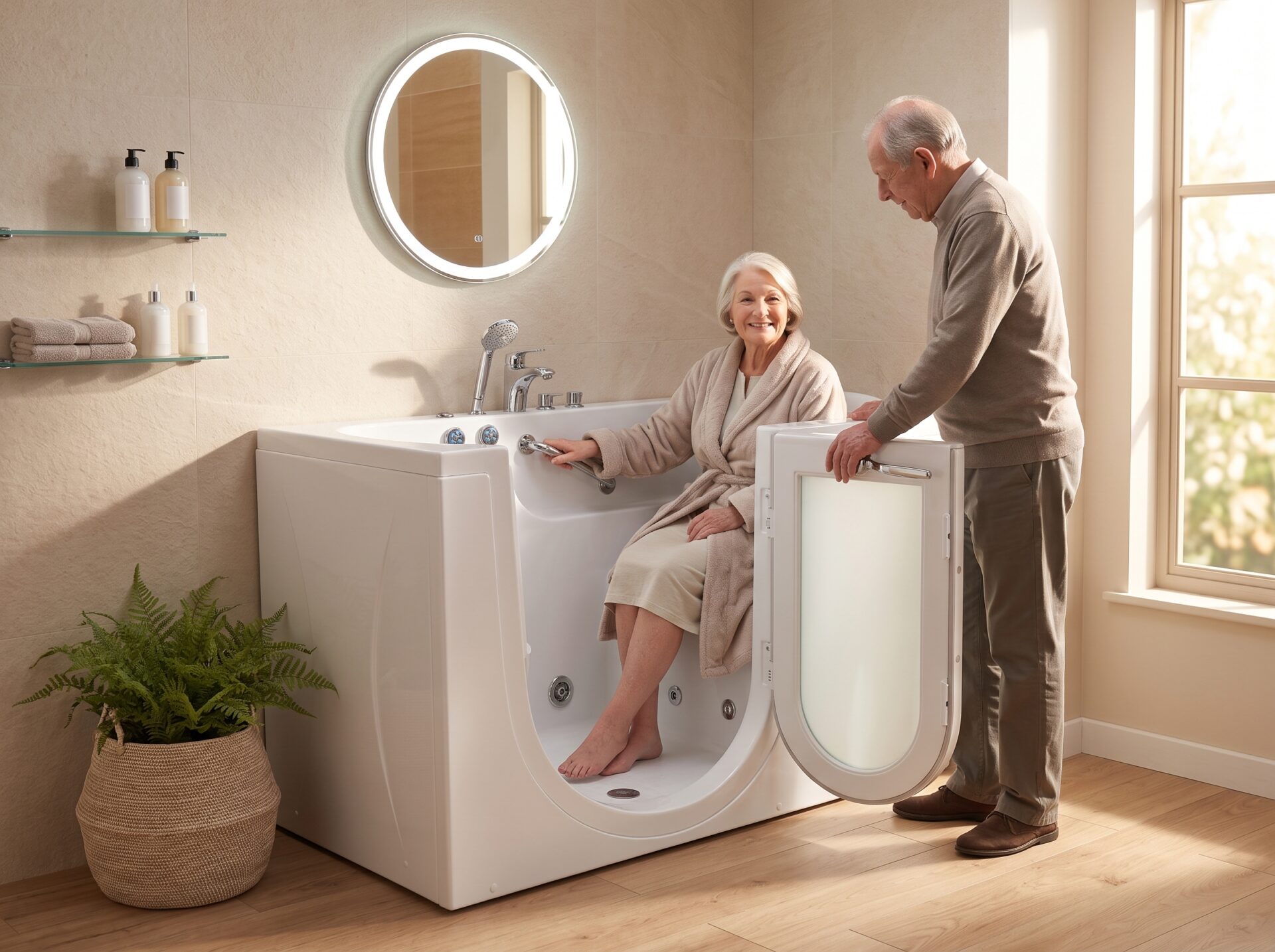
Stepping over high tub walls is a major fall risk. For effective Fall Prevention in Bathrooms, consider replacing traditional tubs with a walk-in shower or a walk-in tub. Roll-in showers feature a zero-threshold entry, allowing seamless access for wheelchairs or individuals who struggle with steps. Walk-in tubs offer a low step-in threshold and a watertight door, eliminating the need to climb over a high barrier. Both options significantly reduce the effort and risk associated with entering and exiting the bathing area, promoting greater independence and safety. These modifications are transformative for accessible bathing.
4. Improve Lighting and Accessible Controls
Poor lighting can obscure hazards and increase the risk of falls. Enhancing lighting is a simple yet effective Fall Prevention in Bathrooms strategy. Ensure bright, even illumination throughout the space, eliminating shadows, especially in bathing and vanity areas. Consider motion-sensor lights for nighttime visits, preventing fumbling for switches in the dark. Light switches and other controls should be placed at an accessible height, typically between 36 and 48 inches from the floor, and be easy to operate with minimal dexterity. Well-lit spaces allow for clear visibility and confident movement. The Americans with Disabilities Act (ADA) website provides guidelines for accessible controls.
5. Remove Clutter and Obstacles
A cluttered bathroom is a dangerous bathroom. Removing unnecessary items and ensuring clear pathways is a straightforward strategy for Fall Prevention in Bathrooms. Keep floors free of loose rugs (unless securely anchored), towels, and other objects that could cause trips. Ensure sufficient space around the toilet, sink, and shower for easy maneuverability, especially if using a walker or wheelchair. Utilize smart storage solutions, such as wall-mounted shelves or cabinets, to keep essential items within reach without creating obstacles. A minimalist approach to bathroom design can significantly enhance safety.
6. Ensure Accessible Faucets and Water Temperature Control
Easy-to-use faucets and safe water temperatures are often overlooked aspects of Fall Prevention in Bathrooms. Lever-style or motion-sensor faucets are easier to operate for individuals with limited hand dexterity, reducing strain and the risk of accidental slips. Additionally, installing anti-scald devices, such as thermostatic mixing valves, is crucial to prevent burns from excessively hot water. These devices regulate water temperature, providing peace of mind, especially for those with reduced sensation. Ensuring comfortable and safe water access contributes to an overall secure bathing experience.
Why This Matters in Columbus, OH
For residents in Columbus, OH, prioritizing Fall Prevention in Bathrooms is a vital step toward creating a safer and more independent home. Alpha Baths is a trusted partner, offering expert advice and professional installation of accessible bathing solutions and safety features. We understand the unique needs of our community and are committed to helping you implement effective strategies to reduce fall risks. Our team provides tailored recommendations, ensuring your bathroom is not only safe but also comfortable and functional. Contact us today for a consultation and a free quote, and take the first step towards a safer bathroom environment in Columbus.
Frequently Asked Questions
What is the most effective strategy for fall prevention in bathrooms?
Installing grab bars strategically is often considered the most effective strategy for Fall Prevention in Bathrooms, providing crucial support and stability.
What type of flooring is best for preventing falls in bathrooms?
Slip-resistant flooring materials like textured tiles or non-slip vinyl are best for Fall Prevention in Bathrooms to enhance traction, even when wet.
Are walk-in showers better than traditional tubs for fall prevention?
Yes, walk-in showers with zero-threshold entries significantly reduce fall risks compared to traditional tubs, making them excellent for Fall Prevention in Bathrooms.
How can lighting improve fall prevention in bathrooms?
Improved lighting, especially motion-sensor lights, enhances visibility and reduces shadows, directly contributing to Fall Prevention in Bathrooms.
Should I remove rugs for fall prevention in bathrooms?
Yes, removing loose rugs or ensuring they are securely anchored is an important strategy for Fall Prevention in Bathrooms to eliminate tripping hazards.
Ready to Enhance Fall Prevention in Your Bathroom?
If you’re in Columbus, OH, and looking to implement effective Fall Prevention in Bathrooms strategies, contact Alpha Baths today. Our experts will help you create a safer and more secure home environment. Get a Free Quote!